
 |
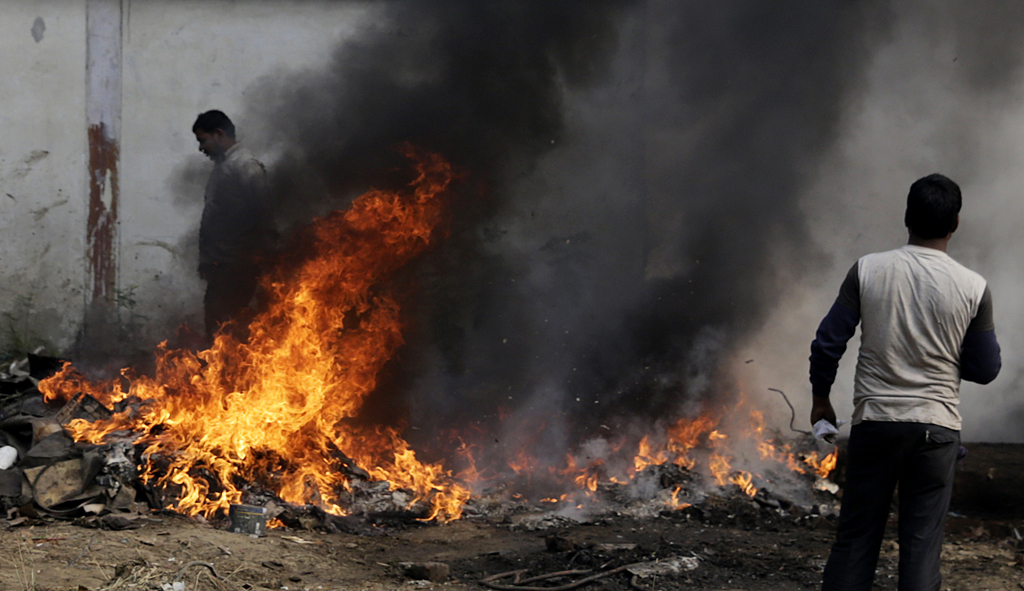
More than 80% of people living in urban areas that monitor air pollution are exposed to air quality levels that exceed the World Health Organization (WHO) limits. While all regions of the world are affected, populations in low-income cities are the most impacted.
According to the latest urban air quality database, 98% of cities in low- and middle income countries with more than 100 000 inhabitants do not meet WHO air quality guidelines. However, in high-income countries, that percentage decreases to 56%.
In the past two years, the WHO database – now covering 3000 cities in 103 countries – has nearly doubled, with more cities measuring air pollution levels and recognizing the associated health impacts.
As urban air quality declines, the risk of stroke, heart disease, lung cancer, and chronic and acute respiratory diseases, including asthma, increases for the people who live in them.
Air pollution consists of many pollutants, among other particulate matter. These particles are able to penetrate deeply into the respiratory tract and therefore constitute a risk for health by increasing mortality from respiratory infections and diseases, lung cancer, and selected cardiovascular diseases.
WHO was able to compare a total of 795 cities in 67 countries for levels of small and fine particulate matter (PM10 and PM2.5) during the five-year period, 2008-2013. PM10 and PM2.5 include pollutants such as sulfate, nitrates and black carbon.
The WHO guideline values for particulate matter are 20 μg/m3 for PM10, and 10 μg/m3 for PM2.5, respectively. Additional information on interim targets are also provided in the guidelines: http://www.who.int/phe/health_topics/outdoorair/outdoorair_aqg/en/
The least polluted city in the world, according to the report, is Te Anau in New Zealand with a measurement of 6 μg/m3 for PM10 and 3μg/m3 for PM2.5
This is what Nigeria scored:
 |


Onitsha came first, actually, Onitsha has the highest rate of pollution in the world!
Followed by Kaduna, then Aba. The figures are indeed very high. Some people say the atmosphere is a death trap.
Followed by Kaduna, then Aba. The figures are indeed very high. Some people say the atmosphere is a death trap.
The reference for the Nigerian research: Ngele and Onwu (2015), Research Journal of Chemical Sciences, Measurements of Ambient Air Fine and Coarse Particulate Matter in ten South-East Nigerian cities.
Editor's note: If the research was for south-east cities, why are Kaduna and Ile-Ife included though?

No comments:
Post a Comment