
 |
I thought to share with you this book on the state of affairs in Nigeria, for those who may be interested.
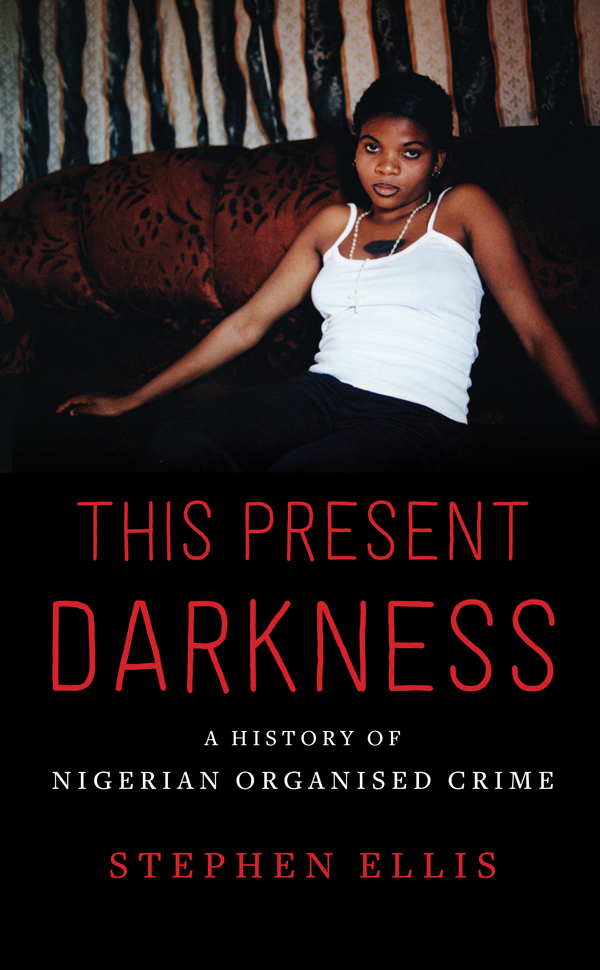
This state of affairs is documented and explained by the late Prof. Stephen Ellis—a British expert on African affairs, who died last year Prof. Stephen (on 29 July 2015, he had leukemia)—in an excellent history of Nigerian organised crime, “This Present Darkness”.
He sees four main areas where gangsters flourish. The biggest crooks of all are the “oil- management mafia”, who divert at least 10% of oil production for private gain. One estimate, in 2013, suggested that was worth $6.7 billion a year. Others are much higher. The central-bank governor said in 2013 that $1 billion in revenues were lost each month from Nigeria’s state oil company (though since then the oil price has collapsed). Ellis suggests dubious oil trading in Switzerland might enable the diversions.
Better-known frauds internationally, though smaller business, are “419” advanced-fee scams (named for a code in Nigerian law), that continue to dupe large numbers of victims. Private colleges in Lagos offer courses in credit-card and advanced-fee fraud, says Ellis. Gangs such as the “Yahoo Boys” send e-mails from Nigeria, but Nigerians abroad are most effective. Ellis describes 150 fraudsters (90% of them Nigerian) found in the Netherlands in 2008 after duping victims of over €150m ($171.2m). Extrovert Nigerians excel at this crime, says Ellis (a victim himself), because they are “top class” at creating trust.
Two other activities both involve smuggling. Southern Igbos dominate trade in hard drugs, proving adept at creating networks of buyers and sellers in the diaspora. Ellis describes “barons” who contract middle-ranking “strikers”, who run small-fry couriers. They proved successful in North America. Meanwhile people from Edo state mostly control trafficking of sex workers, notably to Europe. One diplomat told the author that 30,000 Nigerian women, mostly from Edo, are prostitutes in Italy. Most are bound by large debts, spiritual ceremonies and intense social pressure.
Ellis’s great contribution is in explaining why Nigerian crime became so ubiquitous. When the oil price fell in the 1980s, educated Nigerians flocked abroad (at least 15m are overseas), forming networks in which crime thrives. Strong student and secret societies bind people together. Importantly, he says, Nigerians show unusual agility in business and have strong social skills. Add a weak, corrupt state and organising crime appears all too easy.
This Present Darkness: A History of Nigerian Organised Crime. By Stephen Ellis. Oxford University Press; $29.95. Hurst; 312 pages; £20.

No comments:
Post a Comment